When AI started gaining traction in everyday work, I remember feeling a mix of excitement and unease. There was so much potential, but also a question that kept circling in my mind: where do I, as a human, fit in?
Fast forward to now, AI is everywhere. It’s embedded in the tools we use, the content we consume, and the decisions businesses make. The truth is, if we want to keep pace in this new era, we can’t just use AI. We have to grow with it. That means learning how it works, being open to experimentation, and seeing it not as a trend, but as an infrastructure shift.
But here’s the shift we don’t talk about enough: the more AI is being used in our digital world, the more rare and valuable the human touch becomes.
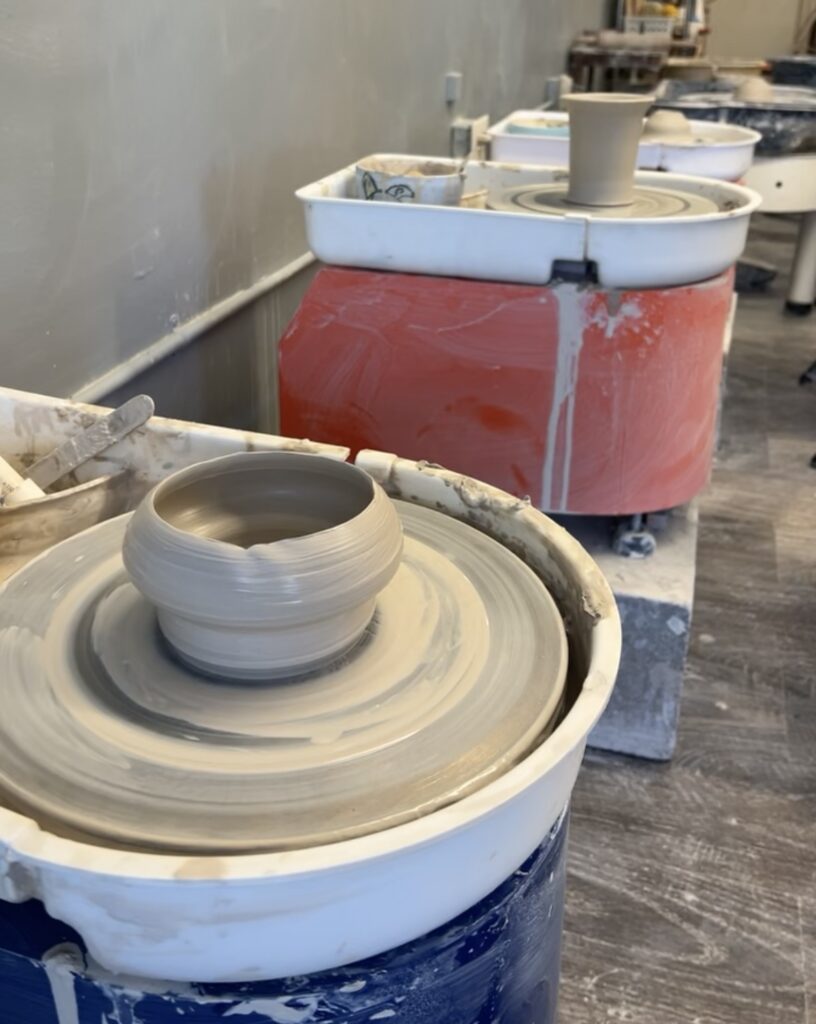
It’s not about romanticizing humanity. It’s just reality. When everything can be generated, when content becomes cheap and instantaneous, the things that are slow, physical, and imperfect start to hold more weight. A handwritten note. A hand-thrown ceramic mug. A story that hasn’t been optimized to death. These things carry a presence AI can’t replicate.
You don’t have to love that. You just have to understand it.
AI will flood the market with sameness. It will speed things up, make things easier, and lower barriers. But in that flood, the things it can’t touch become more distinct. More desired.
We are stepping into an age where being human isn’t just a differentiator. It’s a scarcity.
So whether you’re building a brand, making art, leading a team, or just trying to stay relevant, remember this: the value of what can’t be automated is going up.